Smart lighting; a rollercoaster
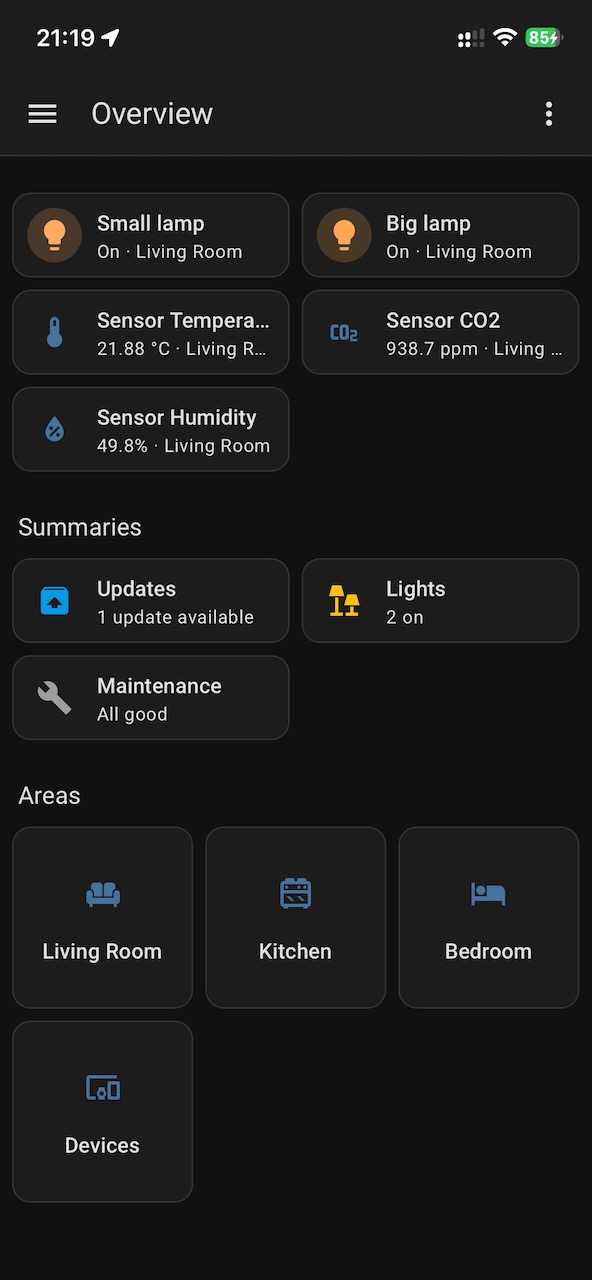
20 May 2026I decided it'd be fun to explore smart home stuff now that I have Home Assistant running on my home server. My CO2/temperature/humidity sensor is connected to Home Assistant using ESPHome which runs in a Docker container (foreshadowing).
An obvious way to get into smart home is smart lighting. IKEA recently opened their first doors in New Zealand. Their price for smart bulbs is difficult to beat. For example, a single GU10 RGB GU10 bulb at IKEA costs 19 NZD which is outrageously cheap compared to 90 NZD for the Philips Hue equivalent.
An additional requirement for my smart bulb setup is the independency of propriatary hubs or apps. I don't want your fancy application that has a thousand settings and is connected to your cloud that could suddenly disappear one day because your company filed for bankruptcy. I want my own self-hosted solution that uses open standards and doesn't make me dependent on specific manufacturers.
IKEA has their DRIGERA hub and remote which make setting up the devices a breeze. However, for me this is not an option. So why not do it myself? I've never touched a smart bulb in my life so I think I'll be fine :-).
Strap in, this is gonna be a wild ride.
Stage 1: excitement
I look up some information online about how IKEAs smartbulbs communicate. I read they use Zigbee as a communication protocol so that should be all good. Off I go to buy a Sonoff receiver that's supported by Home Assistant.
Stage 2: doubt
Wait.
Why does the name of my bulb not match the information I find online about IKEA smart bulbs?
Oh no, a few months ago they just launched their new smart bulb products called named KAJPLATS instead of Trådfri. Trådfri uses Zigbee while their new bulbs run on Matter over Thread. Fine, fine... Guess I need another receiver. Home Assistant has an official Thread receiver called the ZBT-2, as successor to the ZBT-1.
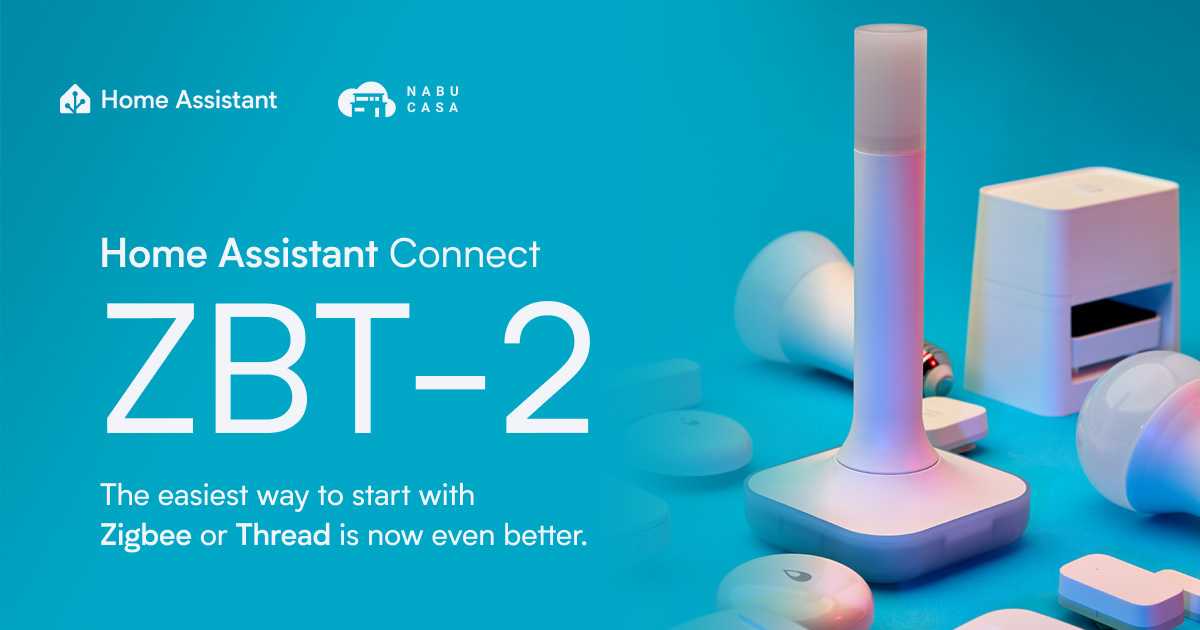
This "stick" is expensive and I hate how it looks. I decide to by a cheap off-brand ZBT-1.
Stage 3: dread
My bulbs and new receiver arrive and I finally get to tinker. It turns out that Matter over Thread is quite complicated to set up without a full installation of Home Assistant OS. As stated in the introduction, my instance of Home Assistant runs in a Docker container. The integration for setting up my server as a so called Thread Border Router is not supported out of the box in containerized instances.
While installing HAOS on my server is in itself not a big or complicated task, I don't want to ditch my Debian server. 'What do we do now?', I ask myself for several days. Then suddenly an idea comes to mind.
Stage 4: inspiration
So, I need a way to run Home Assistant OS and Debian simultaneously. Wouldn't you know it, there is a tool that's perfect for exactly this job.
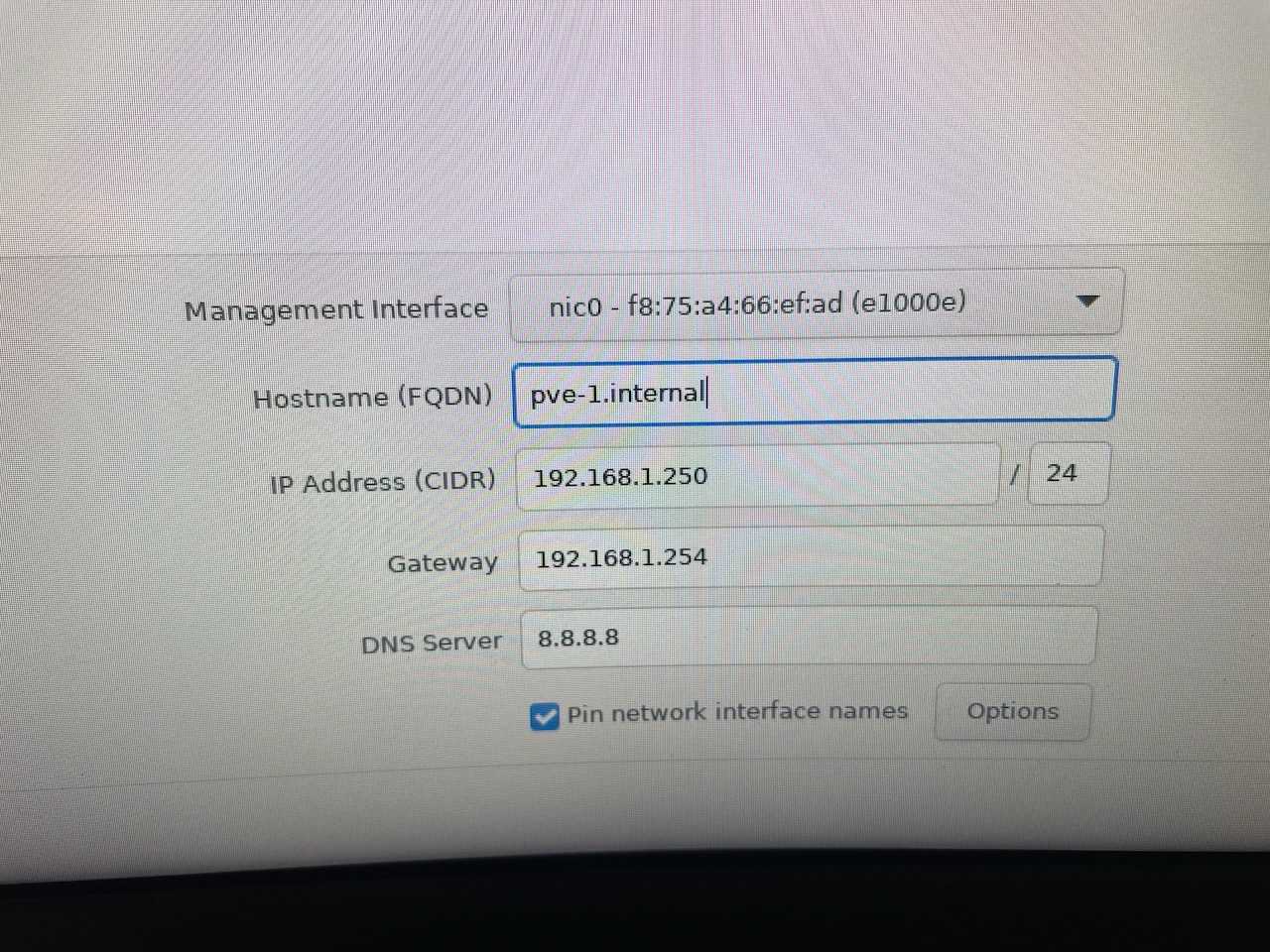
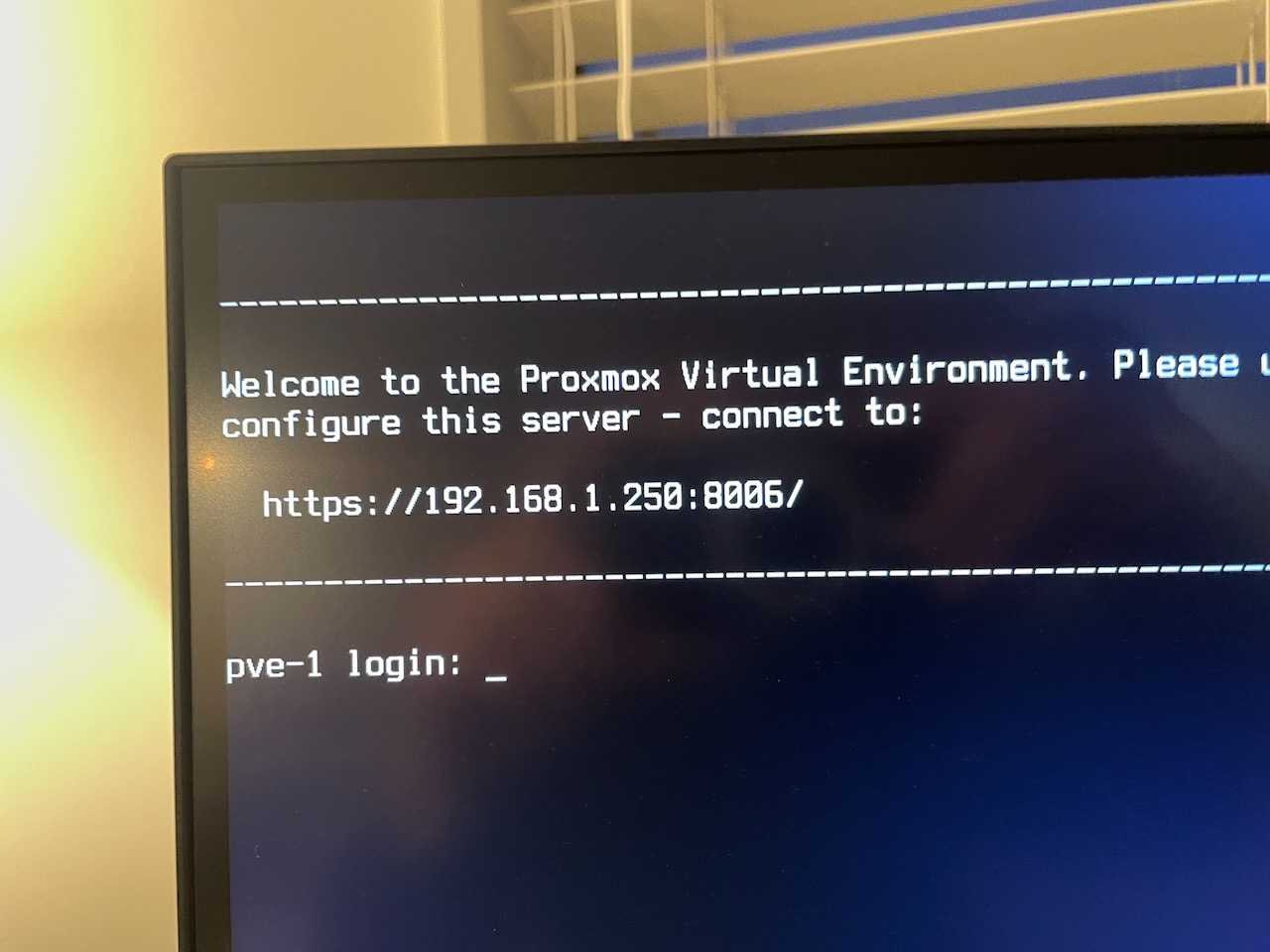
Proxmox is an open source virtualization environment that allows easy management of virtual machines and containers, which is exactly what I need. It allows me to run HAOS and Debian next to each other. It does mean that I have to fully wipe the server to install Proxmox, but considering most of my currently running containers are configured in Docker Compose files, it shouldn't be too hard to rebuild my Debian server.
I've seen a few videos on Proxmox in the past couple years and always wanted to try it. Now is the perfect time.
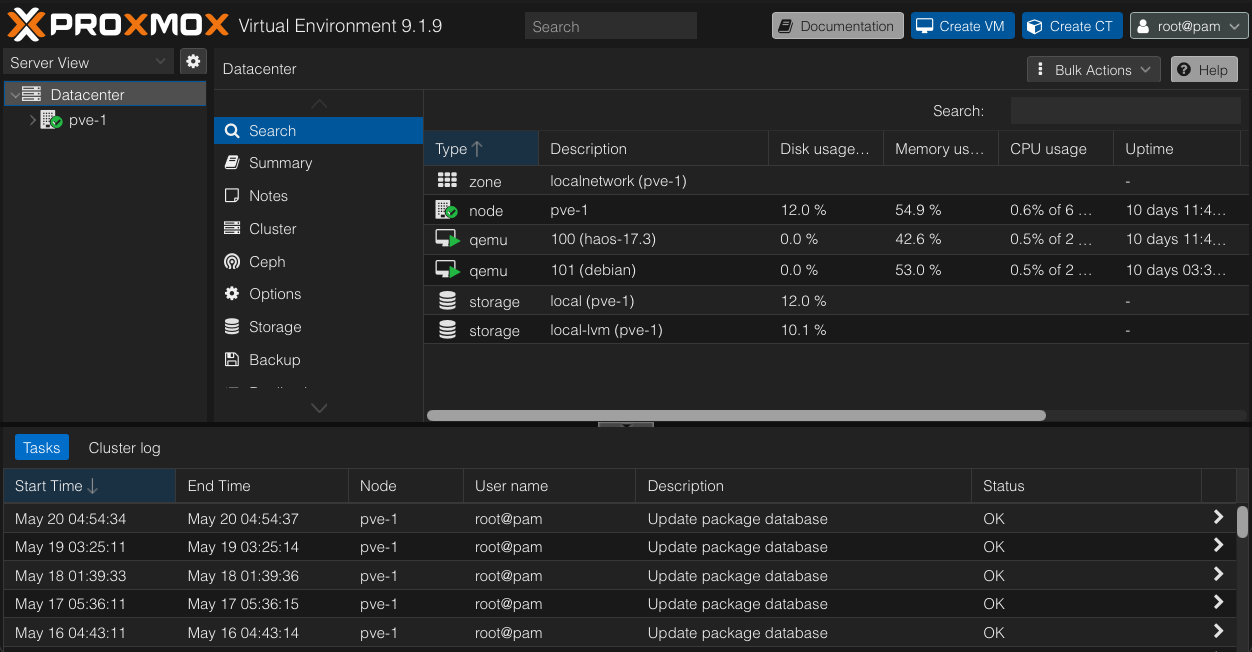
After initializing Proxmox using some community scripts, I'm fully up and running with both HAOS and Debian.
Stage 5: confusion
Luckily for me, the ZBT-1 is picked up by HAOS immediately and it begins to set up the Thread Border Router. This is where my luck runs out.
I have tried at least 10 times to get the bulbs to connect to Home Assistant but to no avail. My phone would detect the bulbs over the Thread network, but would then throw a completely useless "Failed to connect" error message.
Most of IKEA's smart bulb documentation on the internet is about their old system that runs on Zigbee instead of Matter over Thread.
Finally I stumble upon a supposed feature to put the IKEA bulbs into Zigbee mode by turning them on and off 12 times in quick succession.
Stage 6: resolution
I insert my - up to know considered useless - Sonoff Zigbee receiver, install the Zigbee integration in Home Assistant, put the IKEA bulbs into Zigbee mode.
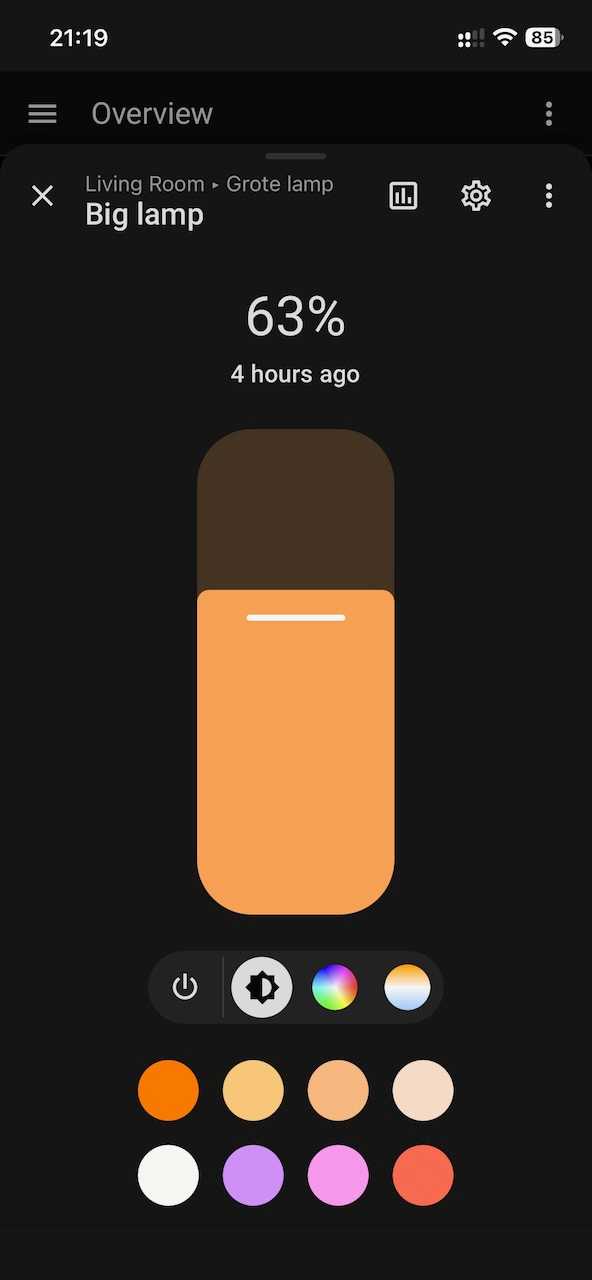
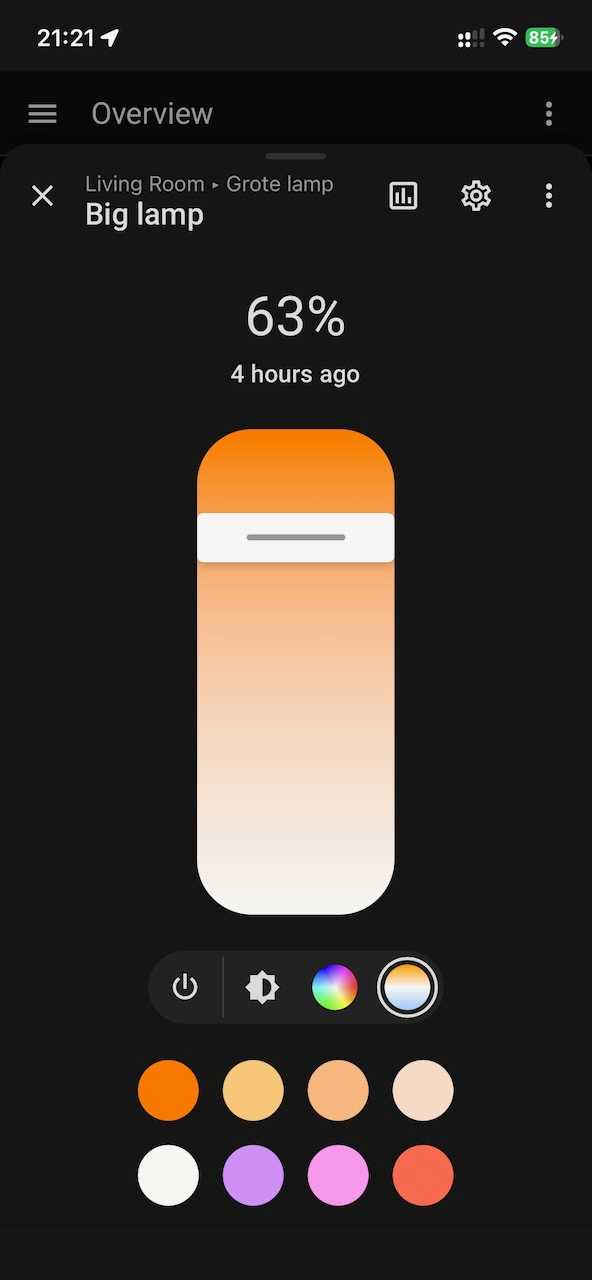
It works. First try. All that effort just to put a fancy lamp into a dumber mode. Oh well, I learned a bunch of new things so I can't complain.
I'll be looking in to setting up a few automations, such as turning on the lights when I get home at night.